Biomechanical Assessment & Gait Analysis Berwick | Pressure Plate Mapping
Biomechanical assessment and gait analysis in Berwick using pressure plate mapping, video gait review and 3D foot scanning (where appropriate). Treat foot, ankle, knee and hip pain. Book today.
Biomechanical Assessment & Gait Analysis in Berwick
How we assess movement, identify the cause of pain, and build a clear treatment plan
At Berwick Podiatry Group, our biomechanical assessments and gait analysis help identify the cause of recurring foot, ankle, leg, knee, hip and lower back pain. If you’ve tried rest, different shoes, or treatments that haven’t lasted, a biomechanical assessment can help uncover why the problem keeps returning — and what to do next.
We support patients in Berwick and across Melbourne’s South East, including Narre Warren, Beaconsfield, Officer, Clyde, Clyde North, Cranbourne, Hampton Park, Endeavour Hills, Hallam and Pakenham.
What is a biomechanical assessment?
A podiatry biomechanical assessment is a detailed evaluation of how your feet and lower limbs function — especially during standing and walking (gait). The goal is to identify movement patterns, imbalances, and loading issues that can contribute to pain, injury, or reduced performance.
What we assess during a biomechanical appointment
Your assessment may include:
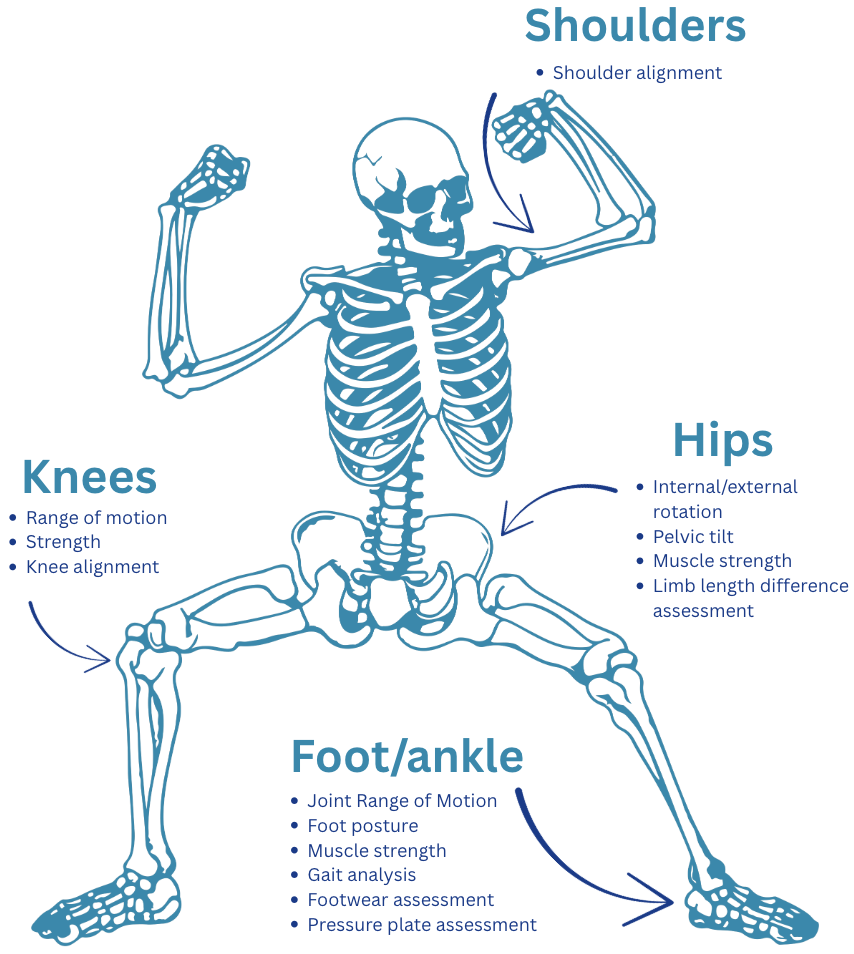
Alignment check (pelvis, hips, knees, ankles and feet)
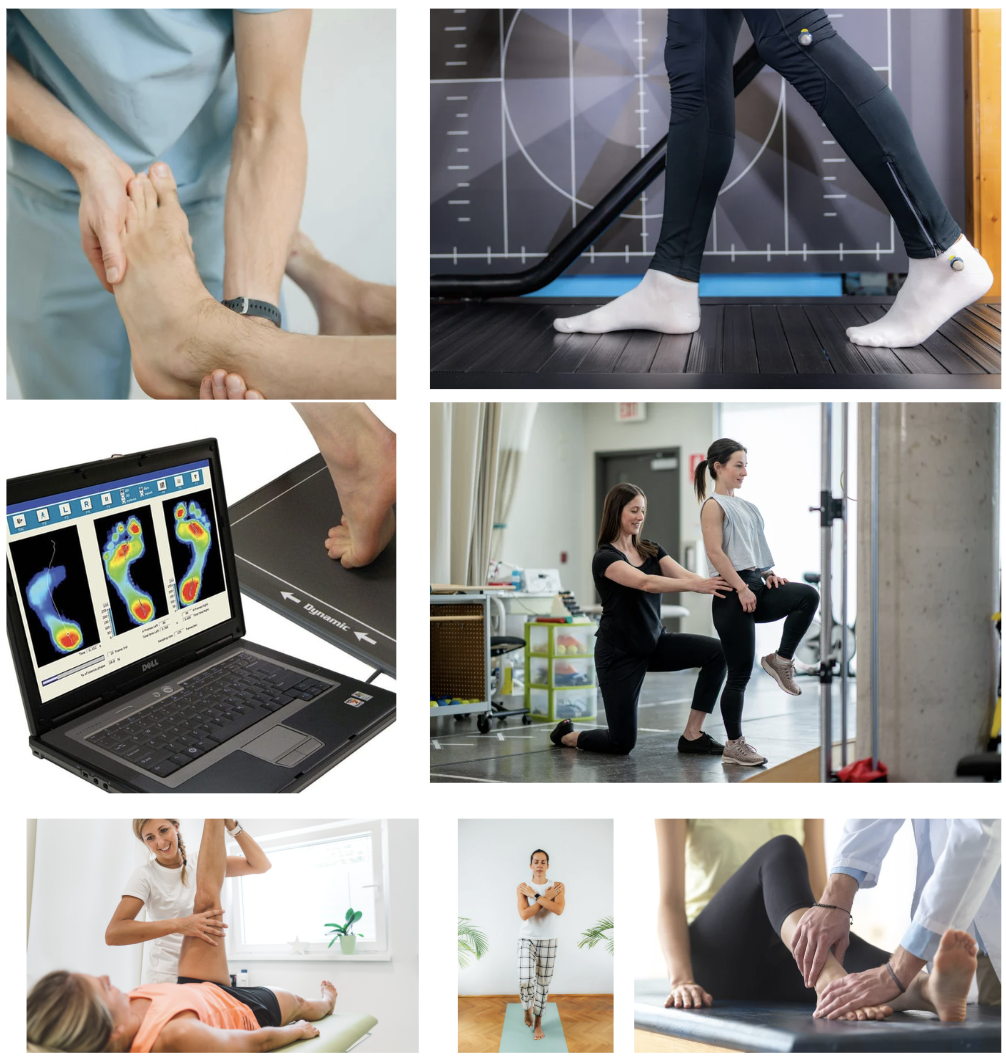
Gait analysis (how you walk and move; may include slow-motion video)
Pressure plate mapping (how your feet bear weight while standing and walking)
Joint range of motion and flexibility testing
Muscle strength assessment (foot, ankle, calf, hips)
Balance and pelvic stability screening
Limb length discrepancy screening (where clinically indicated)
3D foot scanning (where appropriate, particularly for orthotic prescription and fit)
How we assess your movement
Who is this for?
Biomechanical assessments are ideal if you have:
Ongoing or recurring heel pain / plantar fasciitis
Achilles tendinopathy or calf tightness
Recurrent ankle sprains or ankle instability
Shin splints or overuse injuries
Forefoot pain (metatarsalgia), arch pain, or foot fatigue
Knee, hip or lower back discomfort that may be linked to walking mechanics
Pain that worsens with walking, running, standing for work, or sport

Technology we use (why it matters)
Pressure Plate Mapping
Measures how pressure loads through your feet and can highlight overload zones and asymmetries.
Video Gait Review (when used)
Helps identify timing, foot strike patterns, and movement compensations that aren’t always obvious in real time.
3D Foot Scanning (where appropriate)
Improves accuracy for orthotic prescription and helps ensure your devices fit your feet and footwear correctly.
What happens after the assessment?
We’ll create a personalised plan based on your findings and goals. This may include:
Orthotics / orthoses (custom or pre-made, depending on suitability)
Footwear advice (work shoes, runners, everyday shoes)
Strengthening and mobility programs
Stretching plan to reduce load and tension
Padding/strapping for support or offloading
Shockwave therapy for stubborn tendon or heel pain (when appropriate)
Dry needling (when appropriate)
Foot mobilisation/manipulation to improve joint movement and function
What to bring to your appointment (quick tips)
Your most-worn shoes (runners + work shoes if relevant)
Any orthotics/insoles you currently use
Shorts or loose pants (helpful for movement assessment)
A brief timeline of symptoms and what you’ve tried so far
Book a biomechanical assessment in Berwick
If you’re dealing with recurring pain, injuries, or walking discomfort, a biomechanical assessment can help identify the cause and guide the right treatment.
Berwick Podiatry Group (inside Casey Allied Health)
📍 54 Kangan Drive, Berwick VIC 3806
📞 (03) 9707 4007
FAQs
Do I need a referral?
No referral is required.
Will I need orthotics?
Not always. Many patients improve with footwear changes and a targeted strength/mobility plan. Orthotics are recommended when they’re clinically indicated.
How long until I notice improvement?
This depends on the condition and how long it has been present. We’ll set clear expectations and a plan with measurable steps.